About Acne: Cure and Alleviation Strategies

About Acne - What can you do to cure or alleviate acne?

Acne is a common skin condition that affects many people, especially during their teenage years. It occurs when the hair follicles become clogged with dead skin cells and oil, leading to the formation of pimples, whiteheads, blackheads, and cysts. Acne can be frustrating, embarrassing, and even painful, but there are several things you can do to improve your skin's appearance and reduce your symptoms.

One of the most important things you can do to treat acne is to maintain good hygiene practices. Wash your face twice a day with a gentle cleanser and lukewarm water. Avoid scrubbing or using abrasive scrubs as they can irritate your skin and make your acne worse. Choose products that are non-comedogenic, which means they won't clog your pores.
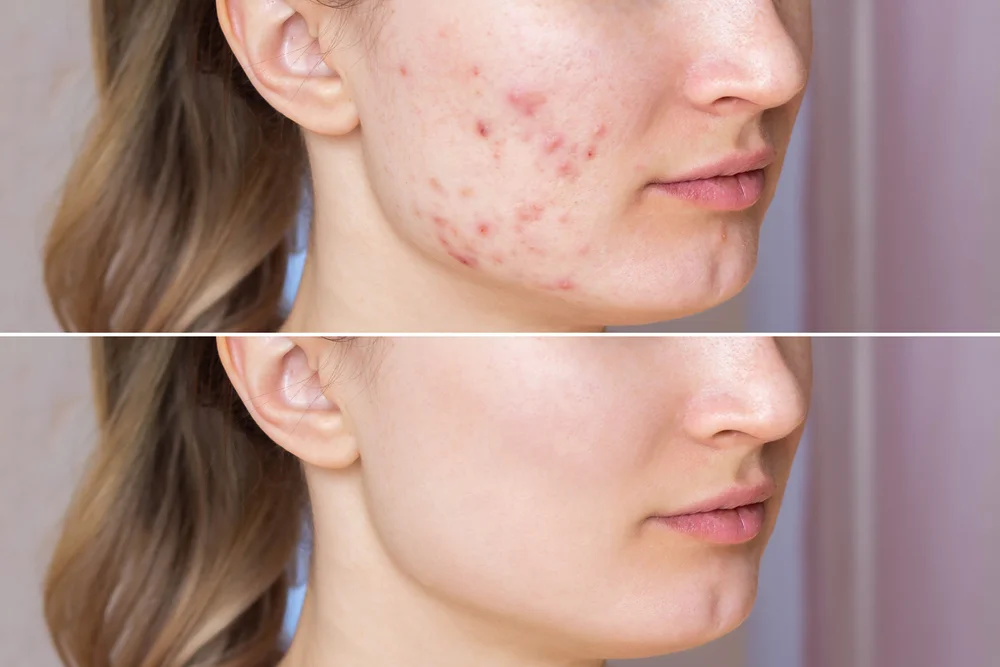
Another great way to reduce your symptoms is to make dietary changes. Some studies suggest that a diet rich in fruits, vegetables, and whole grains can help prevent acne. It's also important to avoid foods high in sugar, refined carbohydrates, and dairy products, as they can exacerbate acne.

If you have severe or persistent acne, it may be necessary to seek medical treatment. A dermatologist can prescribe topical or oral medications that can help reduce inflammation and prevent the formation of new pimples. They can also offer other treatments, such as chemical peels, light therapy, and laser therapy.

In conclusion, acne is a challenging condition, but there are many ways to manage it and improve your skin's appearance. By practicing good hygiene, making dietary changes, and seeking medical treatment when necessary, you can reduce your symptoms and feel more confident about your skin.


About Acne: What can you do to cure or alleviate acne?

Acne is a common problem faced by adolescents and adults alike. This skin condition is characterized by pimples, blackheads, whiteheads, and cysts. Acne can be caused by various factors including genetics, hormones, stress, and lifestyle. While it may seem impossible to cure acne completely, there are ways to alleviate the symptoms and prevent the onset of acne.

Firstly, maintaining good hygiene is crucial in preventing acne. Wash your face regularly with a gentle cleanser, especially after sweating or wearing makeup. Refrain from touching your face with dirty hands or objects as this can transfer bacteria and irritants to your skin.

Another way to alleviate acne is to establish a healthy diet. Avoid oily and processed foods as they can trigger acne. Instead, opt for a diet rich in fruits, vegetables, and lean proteins. Drinking plenty of water can also help to flush out toxins from the body and improve skin health.

Furthermore, incorporating exercise into your daily routine can improve blood flow and reduce stress levels. Stress is a major contributor to acne, so practicing stress-management techniques such as yoga, meditation, or deep breathing can help to alleviate symptoms.

In conclusion, while acne may seem like an unbeatable condition, there are ways to alleviate the symptoms and prevent the onset of acne. By maintaining good hygiene, establishing a healthy diet, and incorporating exercise and stress-management techniques into your routine, you can achieve clearer, healthier skin.

Environmental Pollution and Health: About Acne - What can you do to cure or alleviate acne?

The Link Between Environmental Pollution and Acne

Environmental pollution affects not only the environment but also our health—skin health included. Exposure to pollution in the atmosphere, such as smog and airborne particles, can cause irritation, inflammation, and clogging of the pores, which can lead to acne breakouts. Additionally, pollution can contribute to oxidative stress and free radical damage, accelerating the process of aging and making acne scars more noticeable. Therefore, it's essential to take measures to protect the skin from environmental pollutants if you want to avoid acne breakouts and other skin problems.

Natural Ways to Alleviate Acne

If you're struggling with acne, there are natural ways to alleviate it without resorting to harsh chemicals or medications. First and foremost, make sure you cleanse your face twice a day with gentle, non-comedogenic cleansers that won't clog your pores. Avoid using hot water, which can strip the skin of its natural oils, and opt for lukewarm water instead. Incorporate foods rich in antioxidants, such as berries, leafy greens, and nuts, into your diet to boost your skin's natural defense against free radical damage. You can also apply natural remedies such as tea tree oil, aloe vera, and green tea extract, which have antimicrobial and soothing properties that can reduce inflammation and redness.


When to Seek Professional Help

While natural remedies can help alleviate mild to moderate cases of acne, severe or stubborn acne may require professional intervention. If your acne is causing significant emotional distress or scarring, it's best to consult with a dermatologist who can diagnose the underlying cause and recommend an appropriate treatment plan. Dermatologists may prescribe oral or topical medications such as antibiotics, retinoids, or benzoyl peroxide, or recommend procedures such as chemical peels or light therapy to address stubborn acne.

In conclusion, environmental pollution can contribute to acne breakouts, but there are natural ways to alleviate it and protect your skin from further damage. However, in severe cases, it's best to seek professional help to prevent scarring and long-term damage to your skin.


What can you do to cure or alleviate acne?

acne

What is acne?

Acne is a common skin condition that affects millions of people worldwide. It occurs when the hair follicles become clogged with oil and dead skin cells, resulting in blackheads, whiteheads, pimples, and sometimes deeper cysts or nodules.

What causes acne?

The cause of acne is not fully understood, but it is believed to be a combination of factors including hormones, genetics, diet, stress, and environmental factors. Hormonal changes, such as those that occur during puberty or pregnancy, can cause an increase in oil production in the skin, leading to acne.

How can you cure or alleviate acne?

There is no one-size-fits-all cure for acne, but there are several ways to alleviate its symptoms. Eating a healthy, balanced diet that is rich in fruits and vegetables and low in processed foods and sugar can help to reduce inflammation in the skin and prevent acne breakouts.

Other ways to alleviate acne include keeping the skin clean and avoiding harsh chemicals and abrasive scrubs, using gentle, non-comedogenic skincare products, and getting enough sleep and exercise to reduce stress levels.

In some cases, prescription medications or topical treatments may be necessary to treat more severe cases of acne. It is important to consult with a dermatologist if acne persists or causes severe emotional distress.

In conclusion, while acne can be a frustrating and sometimes embarrassing condition to deal with, there are a variety of ways to alleviate its symptoms and prevent future outbreaks. By making healthy lifestyle choices and taking good care of your skin, you can help to keep acne at bay and achieve clear, healthy-looking skin.


Benefits of Exercise for Health

Benefits of Exercise for Health

Regular exercise is not just good for toning your body, but it also plays a vital role in maintaining overall health and well-being. There are many benefits of exercise for health, both for physical and mental health. Here are some of the benefits of exercise that you can enjoy by incorporating regular physical activity into your daily routine.

Firstly, exercise is essential for maintaining a healthy weight. Combining regular exercise with a balanced diet can help you reduce excess weight and body fat, preventing the onset of obesity and related disorders.

Secondly, exercise helps in improving heart health by reducing the risk of heart disease, strokes, and other cardiovascular conditions. Physical activity also helps in keeping your blood pressure and cholesterol levels in check.

Thirdly, exercise plays an essential role in maintaining bone and joint health. Regular physical activity helps in building strong bones and muscles, reducing the risk of fractures, and improving overall mobility and function.

Apart from these physical benefits, exercise is also a great stress-buster, and it helps in improving mental health. It has been found that people who exercise regularly experience lower levels of stress and anxiety and are better able to deal with mental health issues.

In conclusion, regular exercise offers numerous benefits for overall health and well-being. Incorporating physical activity into your daily routine can go a long way in preventing chronic illnesses, maintaining a healthy weight, and improving mental health. So, get up and get moving for a healthier and happier life.

About Acne: What can you do to cure or alleviate acne?

Acne is a common skin condition that affects many people, both young and old. It occurs when hair follicles become clogged with oil, dead skin cells, and bacteria, resulting in pimples, blackheads, and whiteheads on the face, chest, and back. While acne can be frustrating to deal with, there are several things you can do to help prevent and alleviate this condition.

The first step in preventing acne is to keep your skin clean and moisturized. Washing your face twice a day with a gentle cleanser can help to remove excess oils and dirt that can contribute to acne. It's also important to moisturize your skin to prevent it from becoming overly dry, which can cause your skin to produce even more oil.

Another way to help prevent acne is to avoid touching your face, as your hands can transfer bacteria and oils to your skin. Wearing loose, breathable clothing can also help to prevent acne, as tight clothing can trap sweat and bacteria against your skin, leading to breakouts.

If you already have acne, there are several treatment options available. Over-the-counter medications containing benzoyl peroxide or salicylic acid can help to unclog pores and reduce inflammation. It's important to be patient when treating acne, as it can take several weeks for treatments to take effect.

In more severe cases, a dermatologist may recommend prescription medications or treatments such as antibiotics, retinoids, or light therapy. It's important to work with a dermatologist to determine the best treatment plan for your specific skin type and acne severity.

In conclusion, while acne can be frustrating to deal with, there are several things you can do to help prevent and treat this common skin condition. By keeping your skin clean and moisturized, avoiding touching your face, and using appropriate treatments, you can achieve clearer, healthier-looking skin.


About Acne - What can you do to cure or alleviate acne?

Acne is one of the most common skin conditions that can affect people of all ages. While it is not a life-threatening condition, it can cause discomfort, pain, and lower self-esteem. In some cases, it can even lead to depression and anxiety. Therefore, it is important to take care of your skin to prevent and alleviate acne.

The first step in dealing with acne is to maintain good hygiene. Wash your face and body regularly with a gentle cleanser that does not contain harsh chemicals. Avoid scrubbing your skin too hard as this can irritate it and make your acne worse. Also, do not touch your face with dirty hands as this can transfer bacteria to your skin.

Eating a healthy diet is also important in preventing and alleviating acne. Eat plenty of fruits and vegetables as they are rich in vitamins that help to maintain healthy skin. Also, avoid foods that are high in sugar, salt, and fats as they can trigger acne.

In some cases, over-the-counter medications such as creams, gels, and lotions can help to alleviate acne. However, if your acne is severe or persistent, it is important to consult a dermatologist who can prescribe appropriate medication to treat it.

Finally, maintain a positive attitude and balance your emotions. Stress and anxiety can worsen acne, so it is important to take care of your mental health as well. Engage in activities that help you to relax and reduce stress such as yoga or meditation.

In conclusion, acne is a common skin condition that can be prevented and alleviated by maintaining good hygiene, eating a healthy diet, using over-the-counter medications, consulting a dermatologist, and maintaining a positive attitude and emotional balance.


About Acne: What Can You Do to Cure or Alleviate Acne?

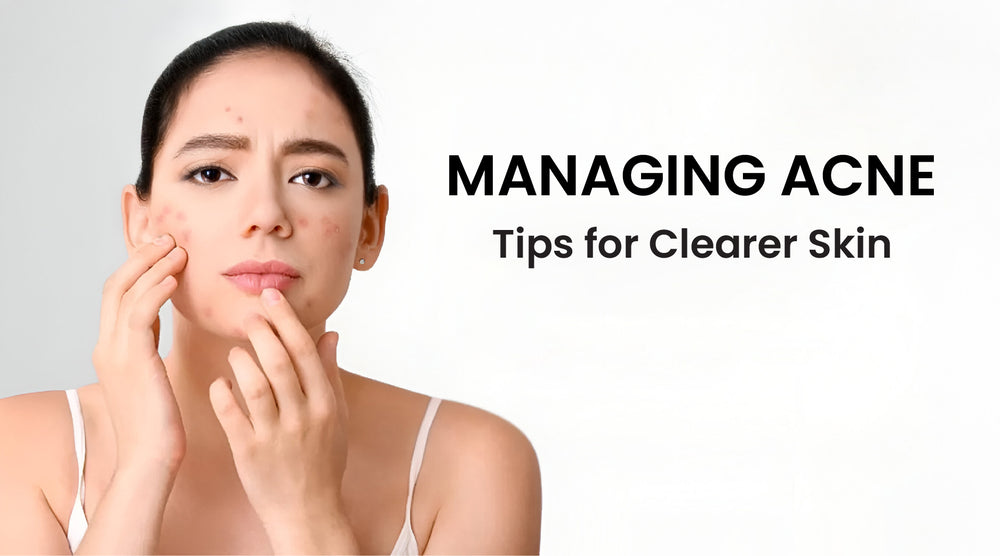
image of a person with acne

What is Acne?

Acne is a common skin condition that affects millions of people around the world. It occurs when hair follicles become clogged with oil and dead skin cells, leading to the formation of pimples, blackheads, and whiteheads. Acne is most often associated with adolescence, but it can affect people of all ages.

What Causes Acne?

There are several factors that contribute to the development of acne, including hormonal changes, genetics, certain medications, and environmental factors. In the workplace, exposure to chemicals and other pollutants can also trigger or worsen acne.

How Can You Cure or Alleviate Acne?

While there is no cure for acne, there are several steps you can take to alleviate symptoms and reduce the frequency and severity of breakouts. These include:

  • Keeping your skin clean: Wash your face twice a day with a gentle cleanser to remove excess oil and dirt.
  • Avoiding harsh products: Use products that are labeled non-comedogenic to avoid clogging pores.
  • Maintaining a healthy diet: Avoid foods that are high in sugar and refined carbohydrates, and eat a balanced diet rich in fruits and vegetables.
  • Reducing stress: Stress can contribute to hormonal imbalances that may trigger acne. Practice stress-reducing activities like yoga or meditation.
  • Using medication: Over-the-counter and prescription medications, such as benzoyl peroxide and retinoids, can help to treat acne.

Acne is a common skin condition that can be both frustrating and embarrassing. However, with proper care and attention, you can reduce the frequency and severity of breakouts, and alleviate symptoms. Remember to keep your skin clean, avoid harsh products, eat a healthy diet, reduce stress, and use medication as needed. If you have persistent or severe acne, be sure to consult with a dermatologist who can recommend more advanced treatment options.


The Importance of Regular Health Check-Ups

Regular Health Check-Ups

About Acne - What Can You Do to Cure or Alleviate Acne?

Acne is a common skin problem that affects people of all ages and can have a significant impact on their quality of life. While there are many over-the-counter treatments that claim to cure or alleviate acne, the truth is that a healthy lifestyle and regular health check-ups are key to preventing and treating acne.

Regular health check-ups are beneficial in many ways. For one, they can help detect health problems early on, before symptoms become severe and difficult to treat. Additionally, they can help identify risk factors for certain conditions, such as acne, which can then be addressed and prevented.

When it comes to treating acne, a visit to a dermatologist can be very helpful. They can provide a personalized treatment plan that may include prescription medications, topical treatments, and lifestyle recommendations to help keep the skin healthy and prevent future breakouts.

But beyond acne, regular health check-ups are essential for overall wellness. They allow individuals to stay up-to-date on important health screenings, such as blood pressure and cholesterol checks, and to discuss any concerns they may have with their healthcare provider.

In conclusion, investing in a regular health check-up routine is a smart choice for anyone looking to maintain good health and prevent or treat conditions such as acne. By taking care of the body both inside and out, individuals can enjoy a healthier and happier life.

About Acne: What can you do to cure or alleviate acne?

image of acne

Acne is a common skin condition that affects millions of people worldwide, regardless of age, gender, or race. It is caused by the clogging of hair follicles and the overproduction of oil in the skin. Acne can manifest in various forms, such as blackheads, whiteheads, pimples, and cysts.

While acne can be frustrating and often affects one's self-confidence, there are several things you can do to improve it. The first step is to establish a good skincare routine, which includes cleansing, toning, and moisturizing daily. Choose products that are gentle and non-comedogenic, meaning they won't clog your pores.

In addition to a good skincare routine, you may also want to consider incorporating some lifestyle changes. Eating a healthy, balanced diet with plenty of fruits and vegetables can help nourish the skin from the inside out. Drinking plenty of water can also help flush out toxins from the body and keep the skin hydrated.

If your acne is severe or persistent, it may be best to seek professional help. Dermatologists can prescribe medications such as topical creams, antibiotics, or oral contraceptives to help alleviate acne. They may also recommend other treatments such as chemical peels, microdermabrasion, or laser therapy to improve skin texture and reduce the appearance of scars.

Overall, managing acne requires a combination of good skincare habits, lifestyle changes, and, if necessary, professional medical treatment. With patience and consistency, you can achieve clear, healthy-looking skin.


Conclusion: What Can You Do to Cure or Alleviate Acne?

Acne is a common skin condition that affects millions of people worldwide. It can be frustrating and can take a toll on your self-confidence and mental health. However, there are many ways to reduce and even eliminate acne.

The first step is to develop a regular skincare routine that includes washing your face twice a day with a gentle cleanser and using non-comedogenic moisturizers and sunscreens. Incorporating products with acne-fighting ingredients such as benzoyl peroxide, salicylic acid, and retinoids can also help.

In addition to skincare, making lifestyle changes can also improve your acne. Incorporating healthy foods such as fruits, vegetables, and whole grains into your diet, staying hydrated, and getting enough sleep can all help improve your skin.

If your acne is severe or persistent, seeking professional help from a dermatologist is recommended. They can prescribe medication or offer other treatments such as laser therapy or chemical peels.

Don't let acne hold you back from feeling confident and beautiful. With the right routine and lifestyle changes, you can achieve clear, healthy, and glowing skin.

Thank you for taking the time to read this information. Please share with others who may find it helpful in their acne journey. Until next time, take care!
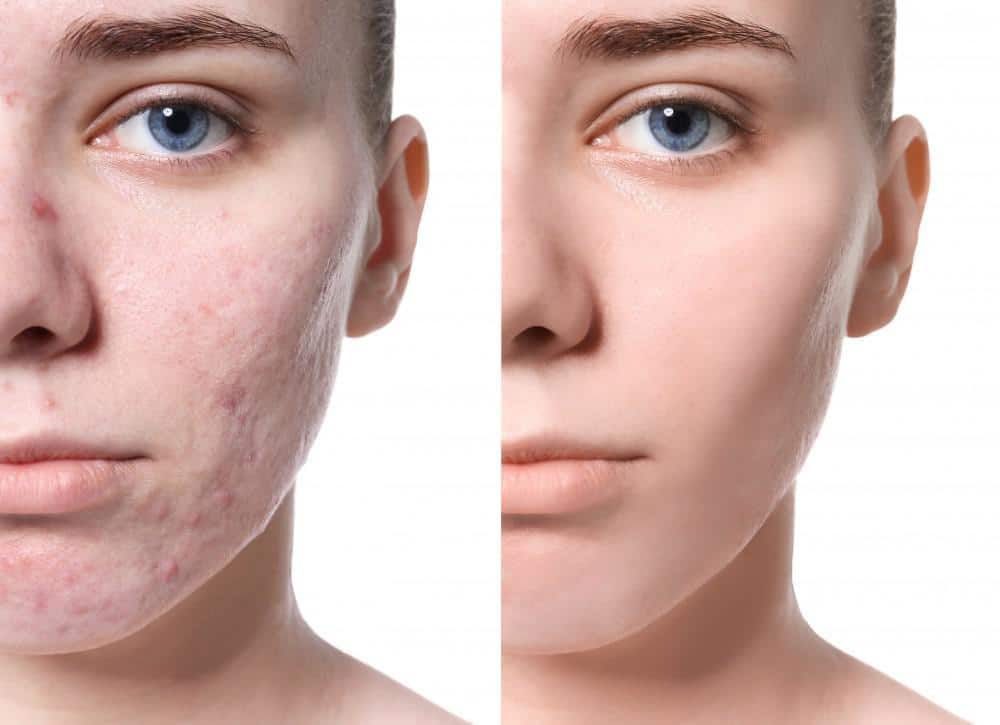
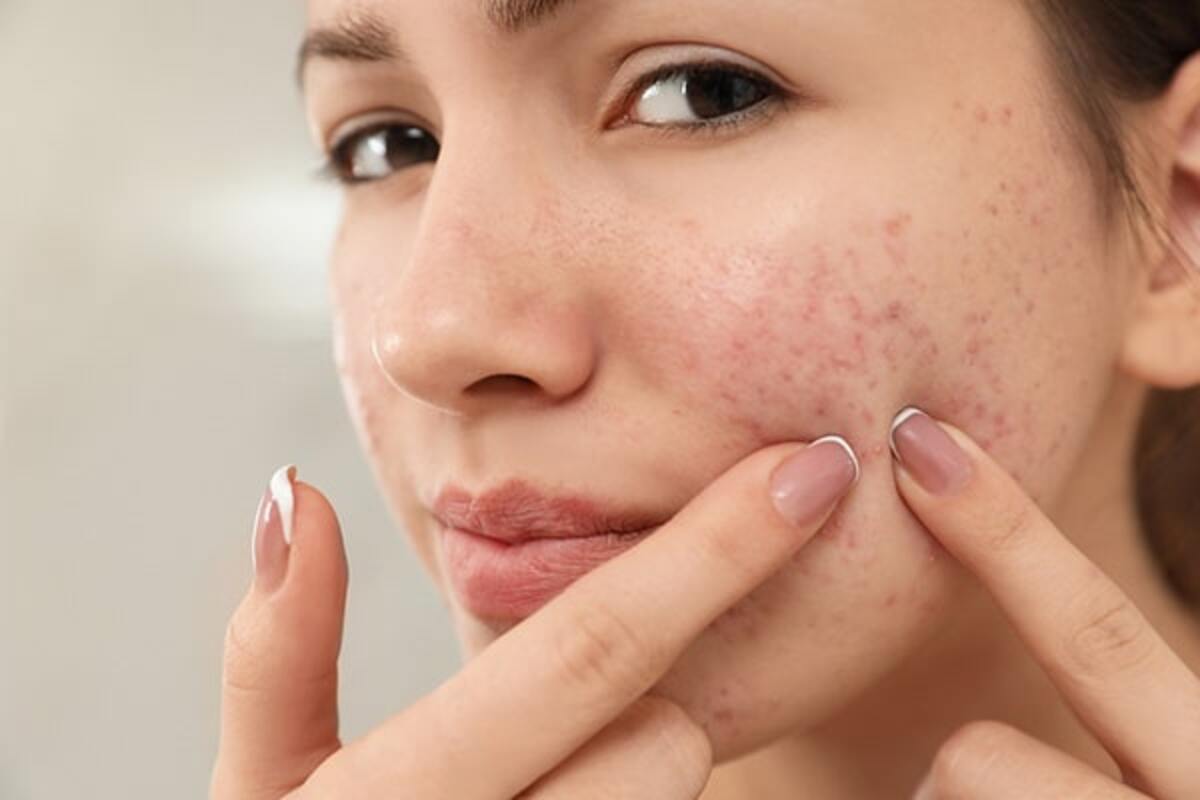
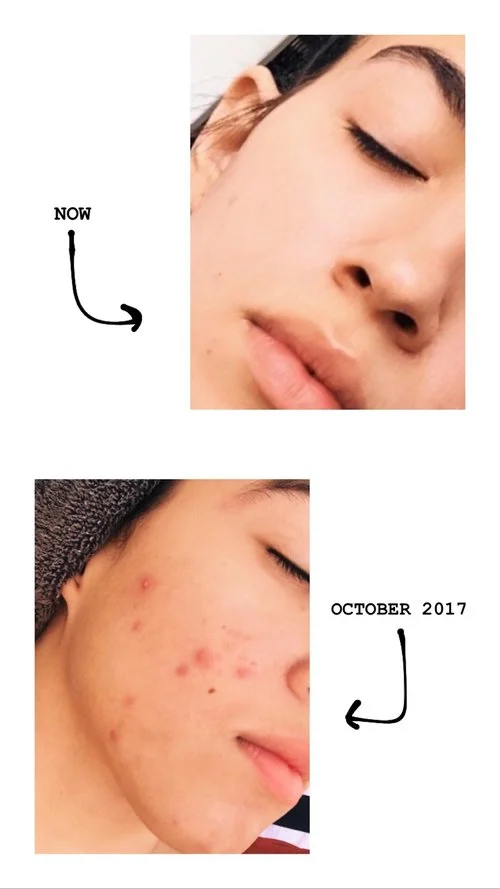
Get Rid of Acne Scars for Clearer Skin

Introduction to Health: Acne Scars

Acne is a common skin condition caused by excess oil production and bacteria. It can leave behind scars that last long after the acne has cleared up. Acne scars can affect a persons confidence and self-esteem, leading them to seek out treatments to reduce their appearance. Acne scar treatment can help to smooth the skins texture and reduce the appearance of scars.

There are several types of acne scars, including ice pick scars, boxcar scars, and rolling scars. Ice pick scars are deep and narrow, while boxcar scars are wider with sharp edges. Rolling scars are broad with sloping edges. The type of acne scar will determine the best treatment option.

Some treatment options for acne scars include chemical peels, microdermabrasion, and laser therapy. Chemical peels involve applying an acid solution to the skin to remove the outer layer and encourage new skin growth. Microdermabrasion uses a wand with a diamond tip to gently exfoliate the skin and stimulate collagen production. Laser therapy uses intense beams of light to target the scar tissue and stimulate new collagen growth.

It is important to note that while acne scar treatment can improve the appearance of scars, it may not completely erase them. It is also important to protect the skin from further sun damage and to maintain a healthy skincare routine to prevent future breakouts.

In conclusion, acne scars can have a negative impact on a persons self-confidence and self-esteem. However, with the right treatment, it is possible to reduce their appearance and improve the texture of the skin. If you are struggling with acne scars, speak with a dermatologist to explore your treatment options.


Healthy lifestyle: Acne Scars

Acne scars can be a frustrating problem for many people. They can be difficult to get rid of and can greatly impact your confidence and self-esteem. However, there are several healthy lifestyle habits that you can adopt to help reduce the appearance of acne scars and improve your skin's overall health.

Firstly, maintaining a healthy diet can have a significant impact on your skin. Eating a diet rich in fruits and vegetables will provide your skin with the essential vitamins and nutrients it needs to heal and regenerate. Additionally, drinking plenty of water can help to keep your skin hydrated and healthy.

Regular exercise is also important for maintaining healthy skin. Exercise improves blood circulation, which can help to deliver essential nutrients to the skin and remove toxins. It also helps to reduce stress, which is a common trigger for acne breakouts.

In addition to these lifestyle habits, it is important to develop a skincare routine that works for you. This may include using gentle, non-comedogenic products and avoiding harsh scrubs or exfoliants that can damage the skin. Regular use of sunscreen is also important to protect your skin from further damage.

While acne scars can be a frustrating problem, adopting healthy lifestyle habits and developing a consistent skincare routine can help to improve the appearance of scars and promote overall skin health.

Environmental Pollution and Health: Acne Scars

Acne Scars

What are Acne Scars?

Acne scars are marks or indentations left on the skin as a result of acne. They can be reddish-brown in color or have a textured appearance. Acne scars appear when the acne inflammation damages the skin's collagen fibers, causing the collagen to be damaged or destroyed. Acne scars can lead to anxiety, social withdrawal, and even depression.

How Does Environmental Pollution Affect Acne Scars?

Environmental pollution is a significant contributor to acne scars. Pollution from our surroundings such as air pollution, UV radiation, and other environmental toxins can significantly increase our skin's damage and impede the healing process of acne scars. This impairment not only causes further acne scars but also worsens the appearance of existing scars.

Read more

How to Control Environmental Pollution's Impact on Acne Scars?

The best way to control environmental pollution's detrimental impact on acne scars is to adjust to a sustainable and eco-friendly lifestyle. For instance, avoid air pollution by minimizing automobile usage, using air filters, and planting more trees. Minimizing sun exposure can be done using sunscreen or protective clothing. Also, opt for non-toxic and organic products for personal care and cleaning.

In conclusion, environmental pollution poses significant threats to our overall well-being, and acne scars are not left out. Living sustainably, taking steps to prevent environmental pollution, and being cautious with skincare routines are crucial steps to prevent environmental pollution from affecting our skin.

Healthy and Nutritious Food for Acne Scars

Healthy and Nutritious Foods for Acne Scars

Acne scars can be frustrating and uncomfortable, and it's understandable that many people seek out ways to get rid of them. While there are many treatments and products available, one effective way to improve the appearance of acne scars is through diet. Here are some of the best foods for promoting healthy skin and reducing the appearance of acne scars.

Firstly, foods rich in vitamin C can help to boost collagen production and improve skin elasticity. Some great sources of vitamin C include citrus fruits, berries, kale, and broccoli. Additionally, foods that are high in zinc, such as nuts, seeds, and seafood, can help to speed up skin healing and reduce inflammation.

Eating a diet rich in healthy fats can also be beneficial for reducing the appearance of acne scars. Omega-3 fatty acids, found in fish like salmon and walnuts, can help to reduce inflammation and improve blood flow to the skin. Avocados, which are high in healthy monounsaturated fats, can also help to nourish the skin and promote a healthy glow.

Finally, it's important to stay hydrated and drink plenty of water throughout the day. This can help to flush out toxins from the body and keep skin looking plump and healthy.

Overall, incorporating a range of nutrient-rich foods into your diet can help to promote healthy skin and reduce the appearance of acne scars. So next time you're planning your meals, consider adding in some of these skin-boosting ingredients!

Benefits of Exercise for Healthy Skin: Acne Scars

Benefits of Exercise for Healthy Skin

Exercising regularly comes with numerous benefits, not only for our physical but also emotional well-being. One benefit that is often overlooked is its effect on our skin, particularly acne scars. Incorporating exercise into our daily routine can help in improving the appearance of acne scars.

Exercise increases blood flow and circulation, bringing more oxygen and nutrients to the skin. This aids in repairing and regenerating cells, ultimately resulting in a healthier-looking skin. In addition, exercise reduces stress levels, which is a common trigger for breakouts. Stress causes the release of cortisol, a hormone that leads to inflammation and, in turn, acne. By reducing stress levels through exercise, we reduce the production of cortisol, hence reducing inflammation on the skin.

Moreover, exercise helps in regulating hormones, specifically testosterone. Testosterone stimulates the production of sebum, the natural oil produced by the skin. When too much of it is produced, it can clog pores and lead to breakouts. By regulating testosterone levels, exercise helps in reducing the risk of breakouts, thus improving the appearance of acne scars.

In conclusion, exercise offers various benefits for our overall health, and our skin is no exception. By improving blood flow and circulation, reducing stress levels, and regulating hormones, exercise aids in improving the appearance of acne scars. It is essential to note, however, that exercise should be coupled with a healthy skincare routine and a proper diet for maximum effectiveness.

Acne Scars: Common Condition and Prevention

Acne Scars

What are Acne Scars?

Acne scars are indented, raised, or pigmented areas that often develop after severe and prolonged acne. They occur when the skin pores become inflamed, and the body tries to heal itself by producing more collagen fibers. However, the excess collagen can result in a scar, which is usually visible as a pitted or raised area on the face, neck, shoulders, or back.

Prevention Tips for Acne Scars

Preventing acne scars is easier than treating them. Below are some tips to help you avoid getting acne scars:

- Avoid picking, squeezing or popping acne pimples. Doing so can push bacteria and debris deeper into the skin, making the inflammation worse, and increasing the risk of scarring.

- Use sun protection. Sun exposure can worsen acne scars and make them more visible. Therefore, it's essential to apply a broad-spectrum sunscreen of SPF 30 or higher during the day to protect the skin from harmful UV rays.

- Seek early treatment. When you notice acne starting to develop on your skin, don't hesitate to seek treatment. Early intervention can help prevent the inflammation from becoming severe and leading to scarring.

Treatment Options for Acne Scars

If you have already developed acne scars, there are several treatment options available, including:

- Chemical peels

- Microdermabrasion

- Laser therapy

- Microneedling

- Dermal fillers

However, it's essential to talk to a dermatologist to choose the right treatment for your skin type and the severity of your acne scars.

In conclusion, acne scars are a common problem that can affect your confidence and self-esteem. However, by taking preventive measures and seeking early treatment, you can reduce the risk of scarring and enjoy clear and smooth skin.


Mental Health and Emotional Balance: Acne Scars

Understanding Acne Scars from a Mental Health Perspective

Acne scars can take an emotional toll on anyone who experiences them. These scars are often a physical reminder of a time in a person's life when they may have felt insecure or embarrassed about their skin. This can ultimately lead to negative thoughts and feelings of low self-esteem, which can greatly impact mental health.

Tips for Maintaining Emotional Balance

Maintaining emotional balance is key to good mental health, especially for those experiencing acne scars. It's important to practice self-care and healthy coping mechanisms to manage negative thoughts and emotions. This can include exercise, meditation, therapy, or any activity that promotes relaxation and positivity.

Seeking Professional Help

For some, managing their mental health alone may not be enough. Seeking professional help is always an option and can be a great step towards improving overall mental wellness. Talk therapy, medication, or support groups can be great resources for those struggling with the emotional toll of acne scars.

In conclusion, the importance of addressing and managing mental health in relation to acne scars cannot be ignored. Practicing healthy coping mechanisms and seeking professional help are steps towards achieving emotional balance and promoting overall mental wellness. Remember, it's okay to not be okay and to reach out for help when needed.


What are Acne Scars?

Acne scars are the result of inflamed blemishes caused by skin pores engorged with excess oil, dead skin cells, and other bacteria. Acne scars can leave a permanent mark on your skin and cause low self-esteem problems. The scars can occur in any area of the body where acne is found, but most commonly appear on the face, neck, chest, and back.

How can Workplace Environment affect Acne Scars?

Workplace environments can potentially trigger and worsen acne scars. Factors such as air pollution, long hours of sitting, exposure to UV radiation, unhealthy eating habits, and stress can all play a role in the development of acne scars. When working in offices that are not properly ventilated, bacteria thrive easily in our surroundings, exacerbating skin problems.

How to Prevent Acne Scars?

Prevention is always better than cure when it comes to acne scars. Here are a few simple tips and tricks to prevent acne scars at the workplace:

  • Use facial cleansers or toners to unclog your pores and prevent acne.
  • Avoid wearing tight clothing that can trap sweat and bacteria, causing more inflammation.
  • Avoid touching your face with your hands as the bacteria can cause cystic acne that creates scars.
  • Drink plenty of water and eat a balanced diet to maintain a healthy body and skin.
  • Wearing sunscreen when going out, and minimizing your time in the sun, can protect your skin from UV radiation that can worsen acne scars.

In conclusion, acne scars can affect anyone who is exposed to unhealthy environments, including workplaces. However, by taking preventive measures and taking care of your skin, you can minimize the risk of getting acne scars. Remember to always maintain a healthy body and environment, and consult a dermatologist in case of any severe acne or scarring problems.

The Importance of Regular Health Checkups: Acne Scars

Acne Scars

For many of us, acne scars are a cosmetic concern that we choose to ignore. However, did you know that the appearance of acne scars can be an indication of underlying health issues? This is why regular health checkups are essential to ensure that any possible health issues are detected and treated early on.

Acne scars are caused by inflammation in the skin's collagen layers, which can be an indicator of inflammation in other parts of the body as well. Inflammation is a common symptom of illnesses such as diabetes, heart disease, and autoimmune disorders. By detecting inflammation early on, it is easier to manage and potentially prevent any long-term damage.

Regular health checkups also help to monitor any changes or developments in acne scars. This is particularly important for individuals who have a family history of skin cancer. Catching skin cancer in its early stages greatly increases the chances of successful treatment.

In addition to monitoring acne scars, regular checkups also include screenings for other health issues such as high blood pressure, high cholesterol, and diabetes. These screenings can help to identify any potential health issues before they become major problems.

Overall, regular health checkups are crucial for ensuring both physical and mental well-being. By staying on top of any potential health issues and addressing them early on, we can live healthier, happier lives. So, book your next health checkup today and take the first step towards a healthier future.

Society and Health: Acne Scars

Picture of Acne Scars

What are Acne Scars?

Acne is a common skin problem that affects millions of people around the world. It usually occurs when hair follicles get clogged with oil and dead skin cells. When this happens, bacteria can grow and cause inflammation, leading to pimples, blackheads, and whiteheads. Sometimes, acne can leave behind scars, which are the result of the body's natural healing process. Acne scars can be flat, raised, or have a depressed appearance, and they can affect a person's self-esteem and confidence.

How to Treat Acne Scars?

If you have acne scars, do not despair! There are several treatment options available that can help reduce their appearance. These include topical creams, chemical peels, microdermabrasion, microneedling, and laser therapy. The best treatment for you will depend on the severity of your scars, your skin type, and your medical history. It is advisable to consult a dermatologist before starting any treatment.

Preventing Acne Scars

Prevention is always better than cure. To avoid getting acne scars, it's important to treat acne early and avoid picking or squeezing pimples. Also, keep your skin clean and use non-comedogenic skincare products that won't clog pores. Eating a healthy diet and staying hydrated can also help improve your skin's overall health and reduce the risk of acne.

Although acne scars can be challenging to deal with, there are many effective treatments available that can help reduce their appearance. Taking steps to prevent acne, treating it early, and using appropriate skincare products can go a long way in promoting healthy, beautiful skin. If you have acne scars, don't hesitate to seek professional help. With determination and the right treatment, you can achieve clear, glowing skin and boost your self-confidence in the process.

Clear Your Skin with Confidence: A Guide to Beating Acne Scars

If you're struggling with acne scars, you're not alone. But don't let those marks and bumps stop you from feeling confident and beautiful. There are plenty of ways to reduce the appearance of acne scars, and help get your skin back to its natural, glowing state.

One of the best ways to start the healing process is by keeping your skin hydrated and healthy. This means using high-quality skincare products, like vitamin C serums and hyaluronic acid, to boost collagen production and keep your skin moisturized. You can also try using natural remedies, like aloe vera and honey, to soothe and repair your skin.

Another way to promote healing and reduce the appearance of scars is by using exfoliating treatments. This can include chemical peels, microdermabrasion, and even certain types of laser therapy. These treatments work by removing the outer layer of skin, revealing fresh, unblemished skin underneath.

Finally, if you're really struggling with acne scars, it may be time to consider professional treatment. A dermatologist can help determine the best course of action for your skin, whether that means targeted laser treatments or a personalized skincare regimen.

Don't let acne scars weigh you down. By taking care of your skin and exploring your treatment options, you can clear your skin and feel confident in your own skin once again. So go ahead, try out some of these tips and embrace your natural beauty!

Thank you for reading, and please share this guide with someone who may be struggling with acne scars themselves.

Sincerely,

Your fellow skincare enthusiast

Acne_Scars

5 Natural and Non-Natural Acne Treatments

Introduction to Health: 5 Natural and Non-Natural Acne Treatments

Acne, a common skin condition that causes pimples, blackheads, and whiteheads to appear on the face, back, chest, and shoulders, affecting millions of people globally. While acne treatment is commonly available to eliminate acne breakouts, it's important to note that not all treatments are suitable for everyone. Some people prefer natural remedies to prevent acne, while others seek medication or non-natural treatments.

1. Tea Tree Oil - One natural remedy to reduce the severity of acne is using tea tree oil. Applying tea tree oil to pimples can help reduce inflammation and unclog pores, preventing new breakouts.

2. Benzoyl Peroxide - Benzoyl Peroxide is one of the most common non-natural treatments used globally to treat acne. It works by killing bacteria and removing excess oil and dead skin cells from the skin's surface.

3. Green Tea - Another natural remedy to prevent acne is consuming green tea, a popular beverage packed with antioxidants to reduce inflammation and promote healthy skin.

4. Salicylic Acid - Salicylic Acid is a popular non-natural treatment used to target mild to moderate acne. This treatment works by clearing clogs in the hair follicles and reducing swelling and redness.

5. Aloe Vera - Lastly, Aloe Vera offers a variety of health benefits, including its natural healing properties for the skin. Applying Aloe Vera gel to the acne-prone areas can help reduce inflammation and eliminate bacteria.

While there are countless acne treatments available on the market, it's crucial to choose the right treatment for your skin type, needs, and budget. Natural remedies may be more affordable and appealing to those seeking a gentler approach to treat acne. However, non-natural treatments typically provide faster and more effective results for people with severe acne. Consult with your dermatologist to determine the best course of treatment for you.

5 Natural and Non-Natural Acne Treatments for a Healthier Lifestyle

Acne is a common skin problem that affects many people, especially teenagers and young adults. While there are many treatments available to help combat acne, some treatments can be harsh and harmful to the skin. Here are five natural and non-natural acne treatments that can help you achieve a healthier lifestyle and clearer skin.

1. Tea tree oil - Tea tree oil is a natural oil that has anti-inflammatory and antimicrobial properties that can help fight acne-causing bacteria. Simply dilute a few drops of tea tree oil with a carrier oil like coconut oil and apply it to your skin.

2. Benzoyl peroxide - Benzoyl peroxide is a non-natural acne treatment that works by killing acne-causing bacteria and drying out excess oil. It can be harsh on the skin, so it's important to use it in moderation.

3. Aloe vera - Aloe vera has been used for centuries as a natural remedy for a variety of skin issues, including acne. It has anti-inflammatory properties that can reduce redness and swelling associated with acne.

4. Salicylic acid - Salicylic acid is a non-natural acne treatment that works by exfoliating the skin and unclogging pores. It can be found in many over-the-counter products like cleansers and spot treatments.

5. Turmeric - Turmeric is a natural spice that has anti-inflammatory and antimicrobial properties that can help reduce the appearance of acne. Mix turmeric powder with honey and apply it to your skin for a natural acne-fighting mask.

By incorporating these natural and non-natural acne treatments into your skincare routine, you can achieve a healthier lifestyle and clearer skin. Remember to always patch test and use products in moderation to avoid irritating your skin further.


Environmental Pollution and Health: 5 Natural and Non-Natural Acne Treatments

Acne is a common skin problem that affects millions of people worldwide. Pollution and other environmental factors often contribute to the occurrence of acne. If you are looking for natural and non-natural acne treatments, here are five options that might be right for you:

1. Tea tree oil

Tea tree oil is a popular natural acne treatment because of its antibacterial properties. Simply apply a drop or two of tea tree oil directly to the affected area with a cotton swab. Do this twice daily for best results.

2. Benzoyl peroxide

Benzoyl peroxide is a non-natural acne treatment that works by reducing the amount of acne-causing bacteria on the skin. You can find benzoyl peroxide in many over-the-counter acne treatments, such as creams and gels.

3. Aloe vera

Aloe vera is another natural acne treatment that can be effective for some people. Apply a small amount of aloe vera gel to the affected area twice daily. Some people find that aloe vera can dry out the skin, so be sure to moisturize as well.

4. Salicylic acid

Salicylic acid is a non-natural acne treatment that works by unclogging pores and reducing inflammation. You can find salicylic acid in many over-the-counter acne treatments, such as toners and cleansers.

5. Green tea

Green tea is a natural acne treatment that contains antioxidants and anti-inflammatory properties that can help reduce the occurrence of acne. You can drink green tea or apply it topically to the affected area with a cotton ball.

Remember, it's important to consult with a dermatologist before trying any new acne treatments - natural or non-natural. Depending on the severity of your acne, a dermatologist may recommend prescription-strength treatments or other therapies.

Healthy and Nutritious Food: 5 Natural and Non-Natural Acne Treatments

Makanan Sehat dan Gizi

Acne is a common skin problem that can affect anyone regardless of their age and gender. While there are various commercial products that promise to treat acne effectively, some people prefer natural remedies because they are often gentler and less harsh on the skin. In this article, we will discuss 5 natural and non-natural acne treatments that you can try.

Firstly, consuming a healthy diet is essential for maintaining clear skin and preventing acne breakouts. Foods that are high in sugar, oily, and processed can trigger acne. On the other hand, foods that are rich in vitamins A, C, and E are beneficial. Examples of foods that are good for the skin include avocados, blueberries, sweet potatoes, and spinach.

Secondly, tea tree oil is a popular natural remedy for acne. It has both antibacterial and anti-inflammatory properties that can reduce acne outbreaks. To use tea tree oil, mix a few drops of it with a carrier oil such as coconut oil and apply it to the affected area twice daily.

Thirdly, benzoyl peroxide is a non-natural acne treatment that is effective in killing acne-causing bacteria. This ingredient is commonly found in over-the-counter acne medications and can be used as a spot treatment or on the entire face.

Fourthly, aloe vera gel is another natural acne treatment that can reduce inflammation and redness caused by acne. It can also help to soothe and hydrate the skin. Simply apply fresh aloe vera gel directly onto the affected area and leave it on for 15-20 minutes before rinsing off with water.

Lastly, practicing good hygiene habits such as washing your face twice a day, avoiding touching your face with dirty hands, and changing your pillowcase regularly can help to prevent acne breakouts.

In conclusion, maintaining a healthy diet, using natural remedies such as tea tree oil and aloe vera gel, and non-natural treatments like benzoyl peroxide and good hygiene habits are effective ways to prevent and treat acne. Give these treatments a try and see which ones work best for you.


Benefits of Exercise for Health: 5 Natural and Non-Natural Acne Treatments

Regular exercise has countless benefits for our overall health, including preventing acne. Acne can be a frustrating and embarrassing skin condition that affects many people. Fortunately, there are natural and non-natural treatments available to help clear up acne and prevent future breakouts.

One of the most significant benefits of exercise for acne is that it helps to reduce stress levels. High levels of stress can cause hormonal fluctuations in the body, leading to acne outbreaks. Exercise is a natural stress reliever that can help to reduce stress levels and promote better hormonal balance in the body.

In addition to stress relief, exercise helps to improve blood circulation, which in turn can promote healthy skin. When we exercise, we increase blood flow to all parts of our body, including our skin. This increased blood flow delivers oxygen and nutrients to our skin cells, which helps to keep our skin healthy and glowing.

Regular exercise can also help regulate the body's insulin levels, which can be beneficial for those with acne-prone skin. Insulin is a hormone that regulates blood sugar levels. When insulin levels are too high, it can cause the body to produce excess oil, leading to acne breakouts. Exercise can help regulate insulin levels, which in turn can help reduce the likelihood of acne breakouts.

Aside from regular exercise, there are also natural and non-natural treatments available to help clear up acne. Some natural treatments include using essential oils such as tea tree oil or lavender oil, while non-natural treatments include using topical creams or oral medications prescribed by a dermatologist.

In conclusion, regular exercise has numerous benefits for overall health, including preventing acne. By reducing stress levels, improving blood circulation, and regulating insulin levels, exercise can help to promote healthy, clear skin. In addition to exercise, there are natural and non-natural treatments available to help clear up acne. Consult with a dermatologist to determine the best treatment plan for your specific needs.


5 Natural and Non-Natural Acne Treatments

Acne is a common skin problem that affects people of all ages. It occurs when the hair follicles become clogged with oil and dead skin cells, resulting in pimples, blackheads, and whiteheads. While acne can be frustrating and embarrassing, there are both natural and non-natural treatments that can be effective in preventing and reducing acne.

Natural Treatments

1. Tea tree oil: This essential oil has natural antibacterial and anti-inflammatory properties that can help reduce acne inflammation and prevent new acne breakouts. Simply apply a small amount of tea tree oil to the affected areas using a cotton swab.

2. Aloe vera: Aloe vera contains enzymes that can help reduce inflammation and promote healing. Apply fresh aloe vera gel to the affected areas twice a day for best results.

3. Honey: Honey has natural antibacterial properties and can be used as a spot treatment for acne. Simply apply a small amount of honey to the affected area and leave it on for 15 minutes before rinsing off with warm water.

Non-Natural Treatments

1. Benzoyl peroxide: This topical medication is a common non-natural treatment for acne. It works by killing the bacteria that cause acne and reducing inflammation. Benzoyl peroxide can be found in various concentrations ranging from 2.5% to 10% and is available in both over-the-counter and prescription strengths.

2. Retinoids: Retinoids are a type of medication derived from vitamin A. They work by unclogging pores and reducing inflammation. Retinoids are available in both topical and oral forms and usually require a prescription.

3. Antibiotics: Antibiotics are often prescribed to treat moderate to severe acne. They work by killing bacteria that cause acne and reducing inflammation. Antibiotics can be taken orally or applied topically in the form of creams or gels.

In conclusion, both natural and non-natural treatments can be effective in preventing and reducing acne. It is important to consult a dermatologist before starting any new treatment regimen and to follow the recommended usage instructions carefully.


Acne is a common skin condition that can impact anyone, regardless of age, gender, or ethnicity. While it is mostly considered a physical problem, acne can also affect a person's mental health and emotional balance. Dealing with acne can be frustrating, especially when it affects your self-esteem and confidence. Hence, maintaining mental health and emotional balance is equally important when treating acne.

Here are five natural and non-natural acne treatments that can help you maintain both your skin health and emotional well-being:

1. Salicylic Acid - a common ingredient in many acne products that can help remove dead skin cells, unclog pores, and reduce inflammation.

2. Tea Tree Oil - a natural remedy that can help fight bacteria and reduce inflammation. It can also be used to decrease redness and swelling.

3. Exercise - regular exercise can help manage stress and improve mental health. It can also improve blood circulation, which can help keep the skin healthy.

4. A Balanced Diet - consuming a healthy diet rich in vitamin A, C, E, and zinc can promote healthy skin and prevent acne breakouts.

5. Therapy - seeking help from a mental health professional can help with the emotional toll of acne. It can provide support and guidance on how to cope with the stress and anxiety related to acne.

In conclusion, maintaining mental health and emotional balance is just as important as treating acne itself. By incorporating natural and non-natural treatments like salicylic acid, tea tree oil, exercise, a balanced diet, and therapy, you can manage acne and keep both your skin and mind healthy.


Natural and Non-Natural Acne Treatments

Natural Acne Treatments

Acne is a common skin problem that affects people of all ages. If you're suffering from acne, there are many effective natural treatments that you can try. One of the most popular natural remedies is tea tree oil, which has anti-bacterial and anti-inflammatory properties. Another natural treatment is aloe vera gel, which can help reduce redness and inflammation.

If you prefer a DIY remedy, you can make a face mask from honey and cinnamon powder. Honey has antibacterial properties, while cinnamon helps to improve blood circulation. Apply the mask to your face for 10-15 minutes and then rinse off with warm water. You can repeat this treatment twice a week for best results.

Non-Natural Acne Treatments

If natural treatments don't work for you, there are many non-natural options available. One of the most popular non-natural treatments is benzoyl peroxide, which is available in over-the-counter products. Benzoyl peroxide works by killing the bacteria that cause acne and reducing inflammation.

Another non-natural treatment is Salicylic acid, which is available in many skin care products. Salicylic acid works by unclogging pores and reducing inflammation. However, it's important to note that these treatments can have side effects and should only be used under the guidance of a healthcare professional.

Overall, there are many natural and non-natural acne treatments available to help improve your skin health. It's important to remember that everyone's skin is different, so what works for one person may not work for another. It's always a good idea to consult with a healthcare professional before trying any new treatments. By taking care of your skin, you can improve your overall health and wellbeing.


The Importance of Regular Health Check-ups: 5 Natural and Non-Natural Acne Treatments

Regular health check-ups are crucial in maintaining good physical and mental health. They help prevent illnesses and detect potential health problems early on, allowing for timely intervention and treatment. One aspect of health that often goes unnoticed is skin health. Acne is a common skin problem that affects people of all ages, and can be caused by a variety of factors, including hormones, diet, stress, and poor hygiene.

5 Natural Acne Treatments

If you're looking for natural remedies to treat acne, there are several options to consider. Tea tree oil has natural antibacterial properties that can help clear up acne. Aloe vera gel has anti-inflammatory properties that can soothe irritated skin and reduce redness caused by acne. Witch hazel is a natural astringent that can help remove excess oil from the skin, preventing clogged pores. Honey has been shown to have antibacterial properties that can help reduce acne-related inflammation. Finally, green tea has antioxidants that can help reduce inflammation and prevent the formation of acne.

Non-Natural Acne Treatments

If natural remedies aren't enough, there are several non-natural treatment options available. Over-the-counter medications containing benzoyl peroxide and salicylic acid can be effective in treating acne. Prescription medications like retinoids and antibiotics can also be prescribed by a dermatologist for more severe cases of acne. In addition, cosmetic procedures like chemical peels and laser therapy can also be effective in reducing acne and improving overall skin health.

Overall, the key to treating acne effectively is to maintain good skin health through proper hygiene, diet, and stress management, as well as seeking medical assistance when needed. Regular health check-ups can also help prevent and detect potential health problems, including skin issues like acne.

Masyarakat dan Kesehatan

Acne is a skin condition that affects millions of people worldwide. It can be caused by a variety of factors such as genetics, hormones, and poor hygiene. While there are medications available to treat acne, some people prefer natural remedies. In this article, I will be discussing 5 natural and non-natural acne treatments.

First on the list is tea tree oil. It is an essential oil that is known for its antibacterial properties. Applying it to the affected area can help kill the bacteria that cause acne. Next is aloe vera, a plant known for its healing properties. It can reduce inflammation and redness caused by acne. You can apply aloe vera gel directly to your skin or buy products that contain aloe vera.

Third on the list is honey. It has antibacterial properties and can help reduce the appearance of acne scars. Simply apply honey to your face and leave it on for 15-20 minutes before washing it off. Apple cider vinegar is also a popular remedy for acne. It can help balance the pH of your skin and reduce the growth of bacteria. Dilute apple cider vinegar with water before applying it to your skin.

Lastly, there are non-natural treatments such as over-the-counter medications. Salicylic acid and benzoyl peroxide are two of the most common ingredients found in acne medications. They work by unclogging pores and killing bacteria. However, it is important to consult a dermatologist before using these products as they may have side effects.

In conclusion, there are natural and non-natural treatments available for acne. It is important to find the right treatment that works for you. Remember to consult a dermatologist before trying any medication or product.

Conclusion: 5 Natural and Non-Natural Acne Treatments

Acne can be frustrating, but it doesn't have to be. There are both natural and non-natural options available to help you effectively fight acne and achieve clear, healthy-looking skin.

Whether you choose to try natural remedies like tea tree oil or non-natural treatments like benzoyl peroxide, it's important to give your skin the care and attention it needs.

Remember to always be gentle with your skin, avoid harsh scrubbing or rubbing, and be consistent with your chosen treatment method. With time and patience, you can help prevent future breakouts and restore your skin's natural radiance.

So, why wait? Take action today and start exploring these acne-fighting options. Your skin will thank you!

Until next time, happy healing!

Don't forget to share this valuable information with your friends and family who may also be struggling with acne. Together, we can all achieve the clear, healthy-looking skin we deserve.

5_Natural_And_Non-Natural_Acne_Treatments

5 Acne Treatment Tips You Can Use Today

Pengenalan tentang Kesehatan: 5 Acne Treatment Tips You Can Use Today

Acne is a skin condition that affects millions of people around the world. It can be frustrating, uncomfortable, and even embarrassing at times. If you're struggling with acne, then you'll want to check out these 5 acne treatment tips that you can use today.

First, make sure you're keeping your skin clean. Wash your face twice a day with a gentle cleanser to remove any dirt and oil that can clog your pores. Avoid using harsh soaps or scrubs that can irritate your skin and make your acne worse.

Next, try using a spot treatment to help reduce the size and redness of your pimples. Look for products that contain salicylic acid or benzoyl peroxide, which can help to unclog your pores and kill bacteria that can cause acne.

Another great tip is to stay hydrated. Drinking plenty of water can help to flush toxins out of your body and keep your skin looking healthy and fresh. You'll also want to make sure you're eating a healthy diet, rich in fruits and vegetables, which can provide your skin with the nutrients it needs to stay clear.

In addition to these tips, it's important to be patient. Treating acne can take time, and it may take some trial and error to find the right products and routines that work for you. Don't get discouraged if you don't see results right away, just keep at it and stay consistent with your skincare routine.

In conclusion, if you suffer from acne, don't despair. With these 5 acne treatment tips, you can take control of your skin and get back to feeling confident and comfortable in your own skin.


5 Acne Treatment Tips You Can Use Today


Acne is a common problem that affects people of all ages. It can be frustrating to deal with, but there are many acne treatment tips that can help you get clearer skin. Here are five tips that you can start using today.

First of all, make sure that you are cleansing your skin properly. Use a gentle cleanser to remove dirt and oil, but don't over-cleanse. Over-cleansing can actually make acne worse by stripping your skin of its natural oils.

Another tip is to exfoliate regularly. This helps to remove dead skin cells and unclog pores, which can help prevent acne breakouts. Just be careful not to over-exfoliate, as this can irritate your skin.

You can also try using topical treatments, such as acne spot treatments or benzoyl peroxide creams. These can help to kill bacteria and reduce inflammation, although they should be used sparingly and as directed.

In addition to these tips, it's important to maintain a healthy lifestyle. Eating a balanced diet and getting enough sleep can help keep your skin clear and healthy. And don't forget to protect your skin from the sun by wearing sunscreen every day.

While acne can be frustrating, there are many treatment options available. By following these tips and taking good care of your skin, you can achieve clearer, healthier-looking skin in no time.

Polusi Lingkungan dan Kesehatan: 5 Acne Treatment Tips You Can Use Today

Acne Treatment Tips

Polusi lingkungan bukan hanya merusak lingkungan sekitar, tetapi juga berdampak buruk pada kesehatan manusia. Salah satu dampaknya bisa terlihat pada kulit yang menjadi lebih rentan terhadap jerawat. Kulit yang terpapar polusi akan lebih cenderung berminyak dan kusam sehingga pori-pori mudah tersumbat dan berkembang biak pada bakteri penyebab jerawat.

Untuk mengatasi masalah ini, kita perlu melakukan perawatan kulit secara khusus, khususnya menghilangkan bakteri penyebab jerawat. Berikut ini adalah 5 tips perawatan kulit yang dapat membantu Anda mengatasi jerawat:

Read more

1. Rutin Membersihkan Wajah

Membersihkan wajah secara rutin setidaknya dua kali sehari sangat direkomendasikan untuk menghilangkan kotoran dan minyak yang menumpuk pada permukaan kulit. Dengan begitu, pori-pori dapat bernafas dengan baik dan penyumbatan yang menyebabkan jerawat dapat dihindari.

2. Menggunakan Sabun Pembersih Wajah yang Lembut

Pilihlah sabun pembersih wajah yang mild, karena sabun yang terlalu kuat justru dapat merusak lapisan kulit alami dan menyebabkan kulit menjadi lebih kering yang berakibat pada produksi minyak berlebih

3. Rutin Menggunakan Pelembap

Setelah membersihkan wajah, jangan lupa selalu gunakan pelembap yang mengandung bahan-bahan bernutrisi bagi kulit seperti aloe vera, kandungan vitamin E dan B agar menjaga kadar kelembapan kulit tetap stabil.

4. Menghindari Penggunaan Produk yang Mengandung Bahan Kimia Berbahaya

Hindari penggunaan produk kecantikan dan perawatan kulit yang mengandung bahan kimia berbahaya seperti paraben dan sulfat. Kandungan kimia ini dapat menyebabkan iritasi pada kulit dan meningkatkan risiko jerawat.

5. Pola Makan Sehat

Pola makan sehat juga penting untuk menjaga kulit tetap sehat. Hindari makanan yang mengandung banyak gula dan lemak jenuh. Konsumsi makanan yang mengandung vitamin C, E, dan zinc yang dapat membantu meningkatkan kesehatan kulit.

Dengan menerapkan tips-tips di atas, Anda dapat mengatasi permasalahan jerawat pada kulit serta mendapatkan kulit yang terlihat bersih, cerah, dan sehat.

Makanan Sehat dan Gizi: 5 Acne Treatment Tips You Can Use Today

Healthy Food and Nutrition

If you're looking to have beautiful, clear skin, you'll want to pay attention to your diet. What you eat can play a big role in the health of your skin, and can also contribute to acne flare-ups.

Here are five tips to help you stay on track with a healthy, skin-clearing diet:

1. Up Your Antioxidant Game

Fruits and vegetables rich in antioxidants can help reduce inflammation associated with acne. Look for foods like dark leafy greens, blueberries, and sweet potatoes.

2. Ditch the Processed Foods

Foods high in sugar and refined carbohydrates can lead to inflammation and insulin spikes, which have been linked to acne. Stick to whole, minimally-processed foods whenever possible.

3. Don't Skimp on Protein

Protein is important for building and repairing tissues, which includes your skin. Incorporate lean protein sources like fish, chicken, and beans into your diet.

4. Stay Hydrated

Drinking enough water is essential for keeping your skin hydrated and preventing breakouts. Aim for at least eight glasses of water a day.

5. Cut Back on Dairy

Dairy products have been shown to increase insulin levels and contribute to acne. If you're struggling with breakouts, try cutting back on dairy to see if it makes a difference.

By making some simple changes to your diet, you can help improve the health of your skin and prevent acne flare-ups. Remember, healthy skin starts from the inside out.

Benefits of Exercise for Health

Benefits of Exercise for Health

Regular exercise is one of the best things you can do for your physical and mental health. Engaging in physical activities like jogging, swimming, cycling, and weightlifting have a great impact on your overall well-being. In this article, we will discuss some of the benefits of exercise for health.

Firstly, exercise is an effective way to maintain a healthy weight. When you engage in physical activities, you burn calories which helps you to lose excess weight or maintain your current weight. Obesity is one of the leading causes of serious health problems like heart diseases, diabetes, and high blood pressure. Engaging in regular exercise can help you avoid these health problems.

Secondly, exercise is great for improving mental health. Exercise helps to reduce stress, anxiety, and depression. It also stimulates the release of endorphins which are known as the 'happy hormones'. This makes you feel good and reduces the risk of depression and mood swings.

Thirdly, exercise is beneficial for maintaining a healthy heart. Engaging in regular cardiovascular activities like running, swimming, and cycling helps to strengthen the heart muscles. This leads to a reduced risk of developing heart diseases like congestive heart failure and coronary artery disease.

In conclusion, exercise is crucial for maintaining a healthy lifestyle. It improves overall physical and mental well-being, reduces the risk of serious health problems, and helps to keep you in great shape. So, start exercising today and reap the benefits for your health!

5 Acne Treatment Tips You Can Use Today

Image of Acne

Acne is one of the most common skin conditions, affecting millions of people worldwide. It occurs when hair follicles become clogged with oil and dead skin cells, leading to inflammation, blackheads, and pimples. While acne typically affects teenagers, it can also affect adults of all ages. Fortunately, there are several things you can do to prevent and treat acne.

Cleanse your skin regularly

One of the most effective ways to prevent acne is to keep your skin clean. Wash your face twice a day with a gentle cleanser to remove dirt, oil, and bacteria. Avoid using harsh scrubs or astringents, which can irritate your skin and make acne worse.

Avoid touching your face

Touching your face can transfer oil and bacteria from your hands to your skin, leading to clogged pores and acne. Try to avoid touching your face throughout the day, and wash your hands frequently to keep them clean.

Use non-comedogenic products

Some cosmetics, moisturizers, and sunscreens can clog your pores and cause acne. Look for products that are labeled "non-comedogenic," which means they're formulated to avoid clogging your pores. Additionally, avoid using heavy or oily products on your face.

Don't pop pimples

While it may be tempting to squeeze or pop pimples, doing so can push bacteria deeper into your skin and cause scarring. Instead, apply a spot treatment containing benzoyl peroxide or salicylic acid to help the pimple heal more quickly.

Eat a healthy diet

What you put into your body can affect your skin's health. Research suggests that eating a diet rich in fruits, vegetables, and whole grains may help prevent acne. Avoid eating too much sugar or processed foods, which can trigger inflammation and acne.

By following these tips, you can help prevent and treat acne. If your acne is severe or persistent, talk to a dermatologist who can recommend a customized treatment plan.

Kesehatan Mental dan Keseimbangan Emosi: 5 Acne Treatment Tips You Can Use Today

Acne Treatment Tips

Maintaining good mental health is just as important as taking care of your physical health. And one of the most significant aspects of good mental health is having balanced emotions. Stress and anxiety not only affect your mood, but they can also exacerbate physical conditions such as acne.

That's why it's crucial to take preventative measures to keep your emotions in check and your skin healthy. Here are 5 acne treatment tips you can use today that promote balance and calmness:

  1. Practice mindfulness: Incorporate mindfulness techniques such as meditation or deep breathing exercises into your daily routine to combat stress.
  2. Eat a healthy diet: Consuming nutrient-rich foods such as fruits, vegetables, and lean protein can help improve your mood and skin health.
  3. Get enough sleep: Aim for 7-8 hours of sleep per night to reduce stress levels and promote healthy skin regeneration.
  4. Stay hydrated: Drinking an adequate amount of water can help flush toxins from your body, improving skin health and overall well-being.
  5. Exercise regularly: Engaging in physical activity can help reduce stress and promote healthy skin by increasing blood flow and circulation.

By incorporating these simple and practical acne treatment tips into your daily routine, you can help maintain good mental health and healthy skin. Always remember to prioritize self-care to promote an optimal balance of emotions and physical health.

5 Acne Treatment Tips You Can Use Today

Acne Treatment Tips

Acne is an annoying and stressful problem that affects millions of people worldwide. It can cause physical and emotional scarring, especially when it develops on the face. However, there are ways to treat acne effectively without breaking the bank. These tips are cheap, efficient, and easy to use at home.

Cleanse Your Skin with Natural Oils

One of the best ways to cleanse your skin without causing further damage is by using natural oils such as coconut oil, olive oil, and jojoba oil. These oils have antibacterial properties that kill acne-causing bacteria. They also remove excess oil and dirt from your skin without drying it. Simply warm the oil in your hands and massage it gently onto your face. Then, use a warm towel to remove the oil.

Use Tea Tree Oil as a Spot Treatment

Tea tree oil is a natural acne-fighting ingredient that has been proven to be just as effective as benzoyl peroxide, a common ingredient in acne spot treatments. It has antibacterial properties that kill bacteria on the skin and reduce inflammation. Simply apply a small amount of tea tree oil to the affected area using a cotton swab.

Avoid Touching Your Face

Your hands are constantly exposed to bacteria, germs, and dirt throughout the day. Touching your face can transfer these germs to your skin, leading to breakouts. Therefore, it's important to avoid touching your face as much as possible. If you must touch your face, be sure to wash your hands thoroughly first.

Stay Hydrated

Drinking enough water throughout the day helps keep your skin hydrated, which is essential for healthy skin. When your skin is dehydrated, it produces more oil, which can lead to breakouts. Aim to drink at least eight glasses of water a day to keep your skin healthy and acne-free.

Acne can be frustrating and stressful, but with these simple tips, you can effectively manage your acne without breaking the bank. Cleansing your skin with natural oils, using tea tree oil as a spot treatment, avoiding touching your face, and staying hydrated are all easy steps to take for healthy, clear skin.

The Importance of Regular Health Check-Ups

Importance of Regular Health Check-Ups

Why Regular Health Check-Ups Are Important

Regular health check-ups are essential for maintaining optimal health and preventing potential health issues. By visiting a healthcare professional regularly, you can identify any health issues early on, when treatment is more effective. Not only will regular check-ups help you stay healthy, but they can also save you money in the long run by catching any issues before they turn into bigger and more expensive problems.

What to Expect During a Health Check-Up

During a check-up, your healthcare provider will likely check your blood pressure, heart rate, and other vital signs. They may also order lab tests, such as blood work or a urine test, to check for any underlying health conditions. Your healthcare provider may also ask about your medical history and any symptoms you may be experiencing.

Preventative Measures for Acne Treatment

In addition to regular check-ups, there are steps you can take to prevent and treat acne. First, wash your face daily with a gentle cleanser and warm water. Avoid scrubbing your face too hard, as this can irritate your skin and make acne worse. Second, make sure to avoid touching your face, which can transfer oil and bacteria from your hands to your skin. Third, avoid wearing makeup or moisturizers that may clog your pores. Fourth, maintain a healthy diet and stay hydrated. Finally, talk to your healthcare provider about topical or oral treatments for acne.

Regular health check-ups are crucial for maintaining good health and preventing potential health problems. By taking preventative measures and staying on top of your health, you can lead a happier and healthier life. Remember to talk to your healthcare provider about any concerns or questions you may have about your health.

5 Acne Treatment Tips You Can Use Today

Acne Treatment Tips

Are you tired of dealing with acne? It can be frustrating and affect your self-confidence. In order to achieve clear skin, it's important to have a consistent skincare routine and make some changes in your lifestyle. Here are five acne treatment tips you can use today:

1. Keep Your Skin Clean

Make sure to wash your face twice a day with a gentle cleanser to remove dirt and excess oil. Avoid using harsh soaps or scrubs as they can irritate your skin and make your acne worse.

2. Moisturize Regularly

Many people with acne tend to skip moisturizer in fear of making their skin even oilier. However, it's essential to keep your skin hydrated to prevent dryness, which can aggravate acne. Look for a lightweight, non-comedogenic moisturizer that won't clog your pores.

3. Watch Your Diet

Studies have shown that a diet high in sugar, dairy, and processed foods can trigger acne. Try to incorporate more fruits, vegetables, and lean protein into your meals. Drinking plenty of water can also help to flush out toxins and keep your skin clear.

4. Avoid Touching Your Face

Your hands can be a breeding ground for bacteria that can cause acne. Avoid touching your face and picking at your pimples, as this can lead to scarring and more breakouts.

5. Give Your Skin a Break

Makeup and other cosmetics can clog your pores and worsen acne. Try to go makeup-free as often as possible and opt for products labeled as non-comedogenic. Giving your skin a break from makeup can also help it to breathe and regenerate.

With these tips, you can start taking steps towards clearer skin. Remember, achieving clear skin takes time and effort, but with patience and consistency, you can see results.

5 Acne Treatment Tips You Can Use Today: Conclusion

Dealing with acne can be frustrating and demoralizing, but the good news is, there are steps you can take to combat it. Incorporating a few simple changes into your skincare routine can make a huge difference in the appearance of your skin.

First and foremost, always start with a gentle cleanser to remove dirt, oil, and makeup. Next, make sure to moisturize your skin with a non-comedogenic moisturizer that won't clog your pores. Consider adding an exfoliant to your routine to help get rid of dead skin cells that can contribute to acne. And if you wear makeup, choose non-comedogenic products that won't aggravate your skin.

In addition to these basic steps, there are also a variety of treatments available, from over-the-counter creams and gels to prescription medications. It's always a good idea to consult with a dermatologist to determine the best course of action for your specific skin needs.

Ultimately, the most important thing is to be patient and consistent in your skincare routine. Results won't happen overnight, but with persistence and care, improvements will come. Don't let acne get you down - take action today to give your skin the love and attention it deserves.

Thank you for reading our 5 Acne Treatment Tips You Can Use Today. We hope you found this information helpful and inspiring. Please share this article with others who may find it useful as well. Until next time!

5_Acne_Treatment_Tips_You_Can_Use_Today

3 Top Acne Skin Care Tips For A Healthier Skin

Introduction to Health: 3 Top Acne Skin Care Tips for a Healthier Skin

Acne is a common skin problem that many people face. It can be frustrating and affect one's self-confidence. However, taking care of your skin doesn't have to be complicated or expensive. Here are three top acne skin care tips for a healthier skin.

Firstly, do not over wash your face. It may seem like washing your face a few times a day can help to prevent acne, but in fact, it can lead to dry skin and irritation. Washing your face twice a day with a mild cleanser is enough to keep it clean and healthy.

Secondly, make sure your moisturizer is non-comedogenic. This means that it will not clog your pores and cause acne. Look for "oil-free" and "non-comedogenic" on the label. Moisturizing is important to keep your skin hydrated and prevent dryness.

Finally, be careful when choosing your makeup products. Some ingredients in makeup such as oils, silicones, and fragrance can cause acne. Look for makeup labeled "non-comedogenic" and "oil-free". Also, remember to remove your makeup before going to bed to prevent clogged pores.

In conclusion, taking care of your skin doesn't have to be complicated or expensive. A simple, consistent routine with the right products can go a long way in keeping your skin healthy and acne-free. Remember to wash your face twice a day, use a non-comedogenic moisturizer, and choose your makeup products carefully.


Top Acne Skin Care Tips For A Healthier Skin

If you're looking for ways to get rid of your acne and achieve healthier skin, these top acne skin care tips can help you out. Having acne can be a real struggle, but with the right skin care routine, you can clear up your skin and maintain a beautiful complexion.

1. Keep your skin clean: Washing your face twice a day can help get rid of excess oil and dirt on your skin. Make sure to use a gentle cleanser thats suited for your skin type, and avoid harsh scrubs that can injure your skin and cause it to become more inflamed.

2. Moisturize well: Keeping your skin moisturized can help it stay healthy and smooth. Look for a non-comedogenic moisturizer that won't clog your pores. This will help minimize breakouts and prevent dryness or flaking.

3. Be mindful of what you eat: Your diet has a huge impact on your skin. Eating foods that are high in sugar or processed carbs can lead to inflammation and breakouts. Try to incorporate more fruits and vegetables into your diet, as well as lean protein sources like chicken or fish.

By following these simple tips, you'll be on your way to clearer, healthier skin. It's important to remember that treating acne requires patience and consistency, so don't give up if you don't see results right away. With the right approach and a bit of diligence, you can achieve the beautiful, glowing skin you deserve.


Environmental Pollution and Health: 3 Top Acne Skin Care Tips for a Healthier Skin

If you're residing in highly polluted areas, then you're no stranger to the numerous detrimental effects that air pollution can have on your health. Among those effects is the negative impact that it can have on your skin. The tiny particles present in air pollution can clog your pores, leading to the formation of acne. To maintain a healthy, beautiful skin despite the environmental challenges, here are three top acne skin care tips that you can try out.


Cleanse Your Face Regularly

Regardless of your skin type, cleansing your face regularly is one of the most significant things that you can do to maintain its health. Cleansing helps to remove impurities, dirt, and excess oil that can clog your pores, leading to the formation of acne. Using a gentle cleanser twice daily will go a long way in keeping your skin healthy and moisturized.

Protect Your Skin from the Sun

The sun can cause immense damage to your skin, making it susceptible to conditions such as sunburn, premature aging, and skin cancer. Wearing sunscreen daily, even when indoors, can help to protect your skin from harmful UV rays.

Use a Moisturizer

Whether your skin is oily or dry, it's essential to keep it adequately moisturized. Moisturizers provide your skin with the necessary nutrients and hydration it needs to maintain its health and glow. Look for a moisturizer that suits your skin type and use it every day after cleansing.

By following these three top acne skin care tips, you can keep your skin healthy, beautiful, and free of acne, despite the challenges of air pollution. Remember to always speak to a dermatologist or skincare professional before trying out any new skincare routine or products to avoid damaging your skin.


Healthy and Nutritious Food: 3 Top Acne Skin Care Tips For A Healthier Skin

Healthy food and nutrition

When it comes to achieving a healthy and glowing skin, what you eat plays a significant role. Eating a balanced diet with sufficient nutrients is essential to maintain the health of our skin. Not only can it prevent acne, but it can also help promote a healthier complexion.

Tip 1: Incorporate Fruits and Vegetables in Your Diet

Fruits and vegetables are rich in vitamins and minerals that are essential for healthy skin. Consume plenty of colorful fruits and vegetables daily to provide your body with the nutrients it needs to clear up acne and give you a brighter, healthier glow.

Tip 2: Stay Hydrated

Drinking enough water is crucial for keeping your skin hydrated and looking healthy. Dehydration can cause your skin to become dry, dull, and prone to breakouts. Aim to drink at least eight glasses of water per day and avoid sugary drinks that can dehydrate your skin.

Tip 3: Cut Back on Processed Foods

Processed foods and foods high in sugar can cause inflammation and contribute to acne breakouts. Stick to natural, whole foods such as lean proteins, whole grains, and healthy fats such as nuts and seeds that can help keep your skin clear and healthy.

By incorporating these three tips into your daily routine, you can achieve a healthier complexion and prevent acne breakouts. Remember, what you eat plays a significant role in the health of your skin, so make sure you're consuming nutritious foods that provide your body with the essential vitamins and minerals it needs to look and feel its best.


Benefits of Exercise for Health: 3 Top Acne Skin Care Tips for a Healthier Skin

image about benefits of exercise for health

Regular exercise is essential for maintaining a healthy body. It brings numerous benefits to one's physical and mental health. One of the most significant advantages of exercise is that it promotes clear skin and helps to prevent acne. Here are three top acne skin care tips for a healthier skin that you can implement as part of your exercise routine.

The first tip is to keep your skin clean. When you exercise, your body produces sweat, which can cause oily skin and clogged pores. As a result, it is vital to clean your face thoroughly after each workout with a gentle cleanser to get rid of any dirt and sweat. This practice will help prevent acne and leave your skin looking and feeling healthy.

The second tip is to wear appropriate clothing. Choose breathable attire and avoid fabrics that trap sweat and moisture. This type of material can create friction on the skin, leading to acne breakouts. Wearing comfortable, breathable clothing will help keep sweat away from your skin, reduce irritation, and prevent acne.

Finally, the third tip is to stay hydrated. Drinking plenty of water before, during, and after your workout will help flush out toxins from your body and hydrate your skin. When your skin is dry, it is more prone to developing acne. Keeping your body hydrated is essential for maintaining healthy, glowing skin.

In conclusion, regular exercise has numerous health benefits, including promoting clearer skin and preventing acne breakouts. By following these three top acne skin care tips, you can achieve healthier, clearer skin and enjoy the benefits of exercise for your overall well-being.


3 Top Acne Skin Care Tips for a Healthier Skin

top acne skin care tips

If you're struggling with acne, you're not alone. It's one of the most common skin conditions that affects people of all ages and genders. Fortunately, there are simple steps you can take to prevent and treat acne. Here are three top acne skin care tips for a healthier skin:

Cleanse Your Face Regularly

The most important step in preventing acne is to keep your skin clean. Use a gentle cleanser to wash your face twice a day, in the morning and at night. Be gentle and avoid scrubbing your face too hard, as that can irritate your skin and make acne worse. Also, avoid touching your face with your hands, as they can transfer oil and bacteria to the skin.

Use Non-Comedogenic Products

Acne-prone skin is often sensitive and can easily get irritated by certain ingredients in skincare and makeup products. Look for products labeled "non-comedogenic", which means they won't clog your pores. Avoid heavy moisturizers and oils, as well as products with fragrance, alcohol, or harsh exfoliants.

Protect Your Skin From the Sun

Exposure to the sun can make acne worse and cause dark spots on the skin. Wear a broad-spectrum sunscreen with SPF 30 or higher every day, even on cloudy days. Look for sunscreens labeled "oil-free" or "non-comedogenic" to avoid clogging your pores. Wearing a wide-brimmed hat and sunglasses can also help protect your face from the sun.

In conclusion, following these three top acne skin care tips can go a long way in preventing and treating acne. Remember to be consistent with your skincare routine and avoid picking or squeezing your pimples, as that can lead to scarring and more breakouts. With patience and persistence, you can achieve a healthier, clearer skin.


Mental Health and Emotional Balance: 3 Top Acne Skin Care Tips for a Healthier Skin

image of healthy skin

While having a routine for clear and glowing skin is important, it is equally necessary to maintain emotional and mental health. The state of our minds has a direct effect on our physical appearance, including our skin. Here are three top acne skin care tips for a healthier skin that not only provide visible results but also aid in maintaining good mental health and emotional balance:

1. Stay Hydrated

Drinking plenty of water hydrates the body, flushes toxins and helps to keep the skin supple and clear. Water also maintains electrolyte and acid balance which helps to maintain a stable mood and reduce stress levels. Even mild dehydration can cause increased anxiety and irritability. Drinking enough fluids is one way to improve skin health and maintain good mental health and emotional balance.

2. Get Enough Sleep

A lack of sufficient sleep can not only make your skin look dull and lifeless but also impact your mental health. Sleeping is a natural way to reduce stress and anxiety levels, which in turn contributes towards clearer skin. Getting enough sleep helps to regulate mood, increase productivity and reduce the risk of depression. Therefore, getting enough rest results in better skin health and improved mental health.

3. Eat Well

A balanced and nutritious diet can provide the necessary vitamins and minerals that are needed for healthy and glowing skin while also promoting good mental and emotional balance. Incorporating foods such as fruits, vegetables, nuts and lean proteins not only nourishes the skin but also provide energy and support the immune system. A healthy diet also boosts brain function and helps in maintaining mental clarity and emotional stability.

Overall, maintaining good mental health and emotional balance is essential for both inner and outer beauty. By following these three top acne skin care tips, you can not only achieve clear and healthier skin but also aid in achieving emotional and mental wellbeing.


Workplace Environmental Health: 3 Top Acne Skin Care Tips For A Healthier Skin

acne skin care tips

Working in an environment that is not clean and hygienic can negatively affect your skin and overall health. Acne is one of the conditions that can be caused by unhealthy working conditions. To prevent acne and keep your skin looking healthy, here are three top acne skin care tips that you should consider.

Stay Hydrated

Drinking enough water is crucial for maintaining the health of your skin. It helps to flush toxins from your body, which can lead to improved skin health and clarity. Experts recommend drinking at least eight glasses of water a day to maintain hydration and prevent acne.

Keep Your Skin Clean

Your skin is exposed to dirt, dust, germs, and bacteria throughout the day, especially in a working environment. Therefore, it is essential to keep your skin clean by washing your face and hands regularly. This helps to remove impurities and prevent acne from developing.

Protect Your Skin

Sun exposure can damage your skin and cause acne breakouts. Therefore, it is essential to protect your skin by wearing sunscreen throughout the day. You can also use a hat and sunglasses to shield your face from harmful UV rays, especially when working outdoors.

Maintaining a healthy working environment is essential for your overall health, including the well-being of your skin. By staying hydrated, keeping your skin clean, and protecting it from the sun, you can prevent acne breakouts and maintain healthy skin. Remember to implement these tips in your daily routine to see a noticeable difference in your skin health.


The Importance of Regular Health Checkups: 3 Top Acne Skin Care Tips for Healthier Skin

The Importance of Regular Health Checkups: 3 Top Acne Skin Care Tips for Healthier Skin

Regular health checkups are essential for maintaining good health and detecting any potential health problems early on. These checkups can help you identify any underlying health issues, such as high blood pressure, diabetes, or cholesterol levels, before they become more serious and difficult to treat. By detecting health problems early on, you can reduce your risk of complications and receive prompt treatment to prevent further damage to your body.

Aside from regular checkups, maintaining healthy skin is also important for overall health. Proper skin care is essential for preventing acne and other skin problems. Here are three top acne skin care tips for healthier skin:

1. Keep Your Skin Clean

Cleanse your face twice a day with a gentle cleanser to remove dirt and oil. Avoid using harsh soaps or abrasive scrubs, as they can irritate and damage your skin. Rinse your face thoroughly with lukewarm water and pat dry with a clean towel.

2. Moisturize Your Skin Daily

Apply a gentle, oil-free moisturizer to your face and neck daily to keep your skin hydrated and healthy. Use a moisturizer with SPF to protect your skin from harmful UV rays.

3. Be Mindful of What You Eat

Eating a healthy diet can have a positive impact on your skin. Avoid foods high in sugar and processed carbohydrates, and opt for fresh fruits and vegetables instead. Drinking plenty of water can also help keep your skin hydrated and healthy.

Overall, taking care of your health and skin is essential for maintaining a healthy and happy life. Regular health checkups and proper skin care can help prevent potential health problems and promote healthy, glowing skin.


Society and Health: 3 Top Acne Skin Care Tips For A Healthier Skin

Top Acne Skin Care Tips

Acne is a common skin condition that can affect anyone, regardless of age or gender. It is caused by various factors, including hormonal imbalances, genetics, and poor skincare habits. While acne can be frustrating to deal with, there are some simple and effective ways to care for your skin and improve its health.

Tip 1: Cleanse Your Skin Regularly

The first step to healthy skin is to cleanse it regularly. Use a gentle cleanser that suits your skin type and wash your face twice a day. Avoid using harsh scrubbing tools or over-stripping your skin with powerful chemicals, as this can irritate the skin and lead to more breakouts.

Tip 2: Moisturize Your Skin Daily

Moisturizing your skin is essential for maintaining a healthy, glowing complexion. It helps to keep your skin hydrated, soft, and supple. Look for a lightweight, non-comedogenic moisturizer that won't clog your pores and cause more breakouts.

Tip 3: Avoid Touching Your Face

Your hands harbor a lot of bacteria, which can transfer to your face and cause acne. Avoid touching your face throughout the day, especially if you have been touching surfaces that may be contaminated with germs. If you must touch your face, make sure to wash your hands thoroughly first.

In conclusion, taking care of your skin is crucial for your overall health and well-being. By following these three simple tips, you can improve the health of your skin, prevent acne breakouts, and achieve a healthier, glowing complexion. Remember to stay consistent with your skincare routine and be patient - results may take some time to show, but they will be worth the effort in the end.


Get Clear, Healthy, and Beautiful Skin with These Top 3 Acne Skin Care Tips

If you're looking to achieve a clear, healthy, and beautiful complexion, then you've come to the right place.

Acne can be a frustrating and embarrassing skin condition that affects both teens and adults alike. But with the right acne skin care routine, you can achieve a clearer, healthier, and more radiant complexion.

Here are the top 3 acne skin care tips that you should know:

1. Cleanse Your Skin Regularly

Cleansing your skin regularly is an essential step in any acne skin care routine. Use a gentle cleanser that is specifically formulated for acne-prone skin, and avoid harsh scrubs or abrasive exfoliants that can irritate your skin. Be sure to cleanse your skin twice a day, in the morning and evening, to remove dirt, oil, and impurities that can clog your pores and lead to breakouts.

2. Moisturize Your Skin

Moisturizing your skin is just as important as cleansing it. Use a lightweight, non-comedogenic moisturizer that won't clog your pores or cause breakouts. Look for moisturizers that contain ingredients like hyaluronic acid or glycerin, which can help hydrate and plump up your skin without leaving it feeling greasy or oily. Moisturize your skin every day, even if you have oily skin, to keep your skin balanced and healthy.

3. Use Acne-Fighting Products

Finally, use acne-fighting products to help prevent breakouts and keep your skin clear. Look for products that contain ingredients like salicylic acid or benzoyl peroxide, which can help unclog pores, exfoliate dead skin cells, and kill acne-causing bacteria. However, be careful not to overuse these products, as they can be drying or irritating to your skin. Incorporate them into your acne skin care routine gradually, and always follow the instructions on the label.

By following these three simple acne skin care tips, you can achieve a clearer, healthier, and more beautiful complexion. So why not give them a try today?

Thank you for taking the time to read this article. We hope that you found these acne skin care tips helpful and informative. Please feel free to share this information with your friends and loved ones, and let's all work together to achieve clear, healthy, and beautiful skin.

Until next time, take care and stay beautiful!

3 Top Acne Skin Care Tips For A Healthier Skin